


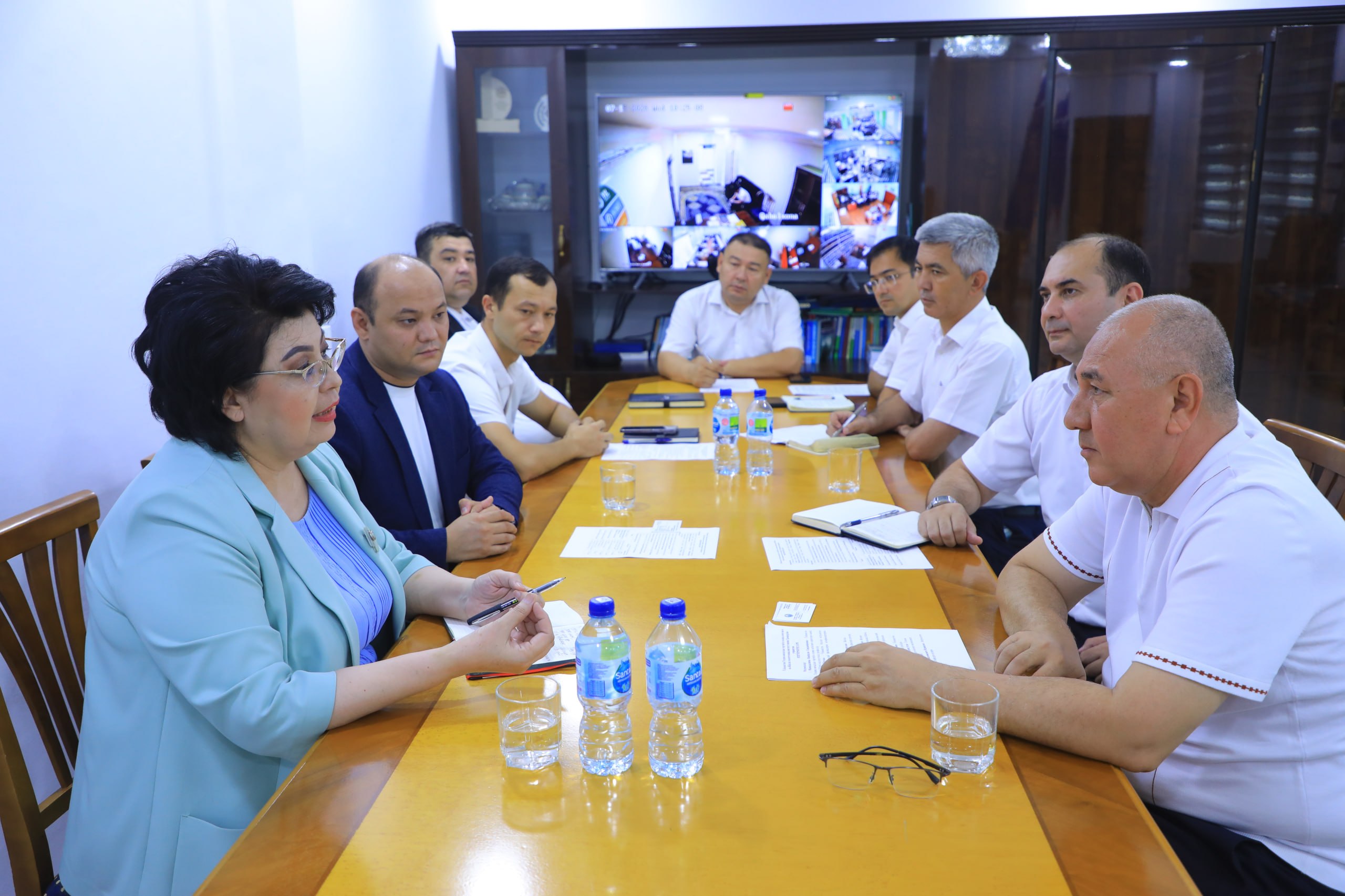
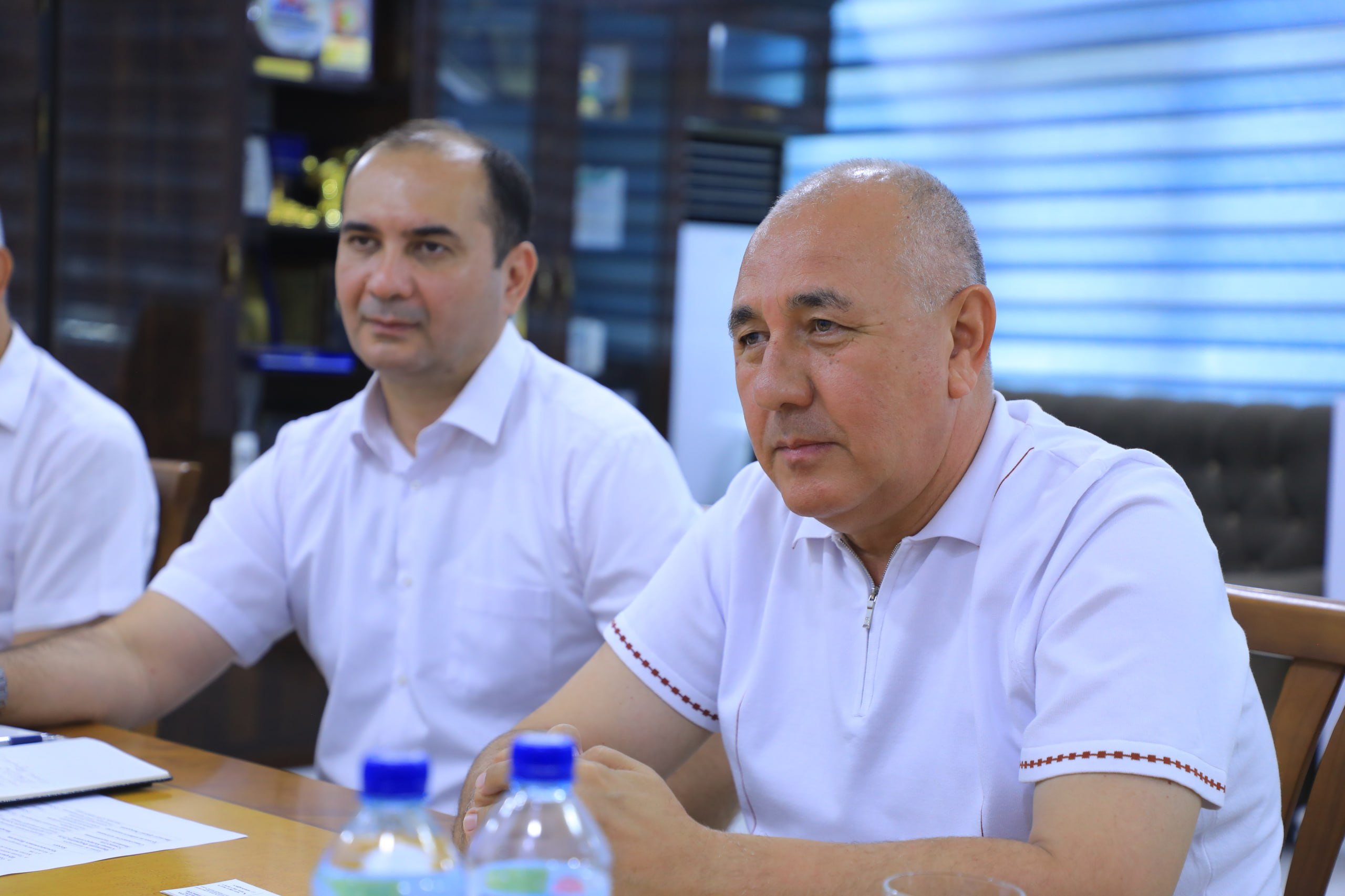
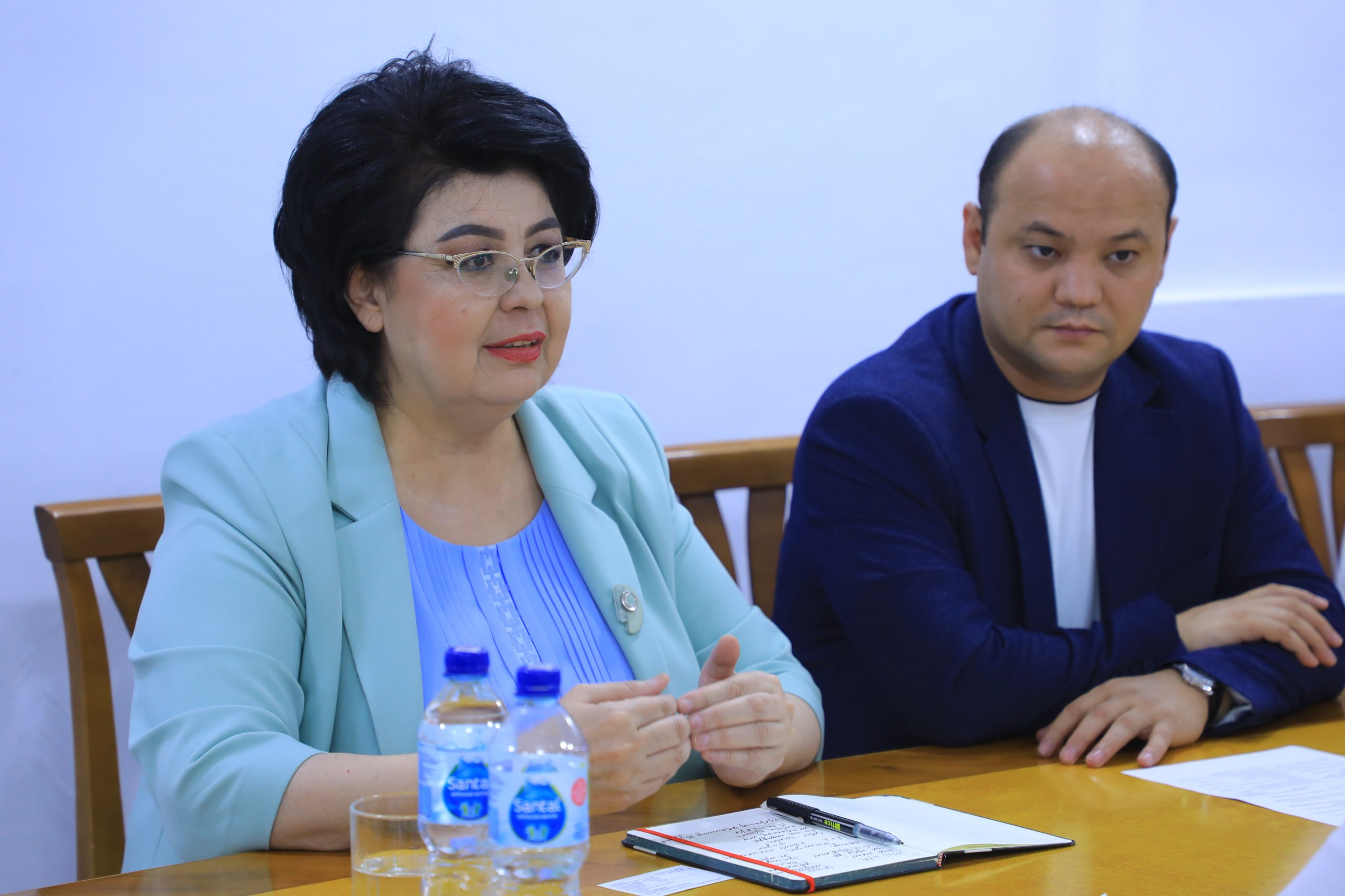
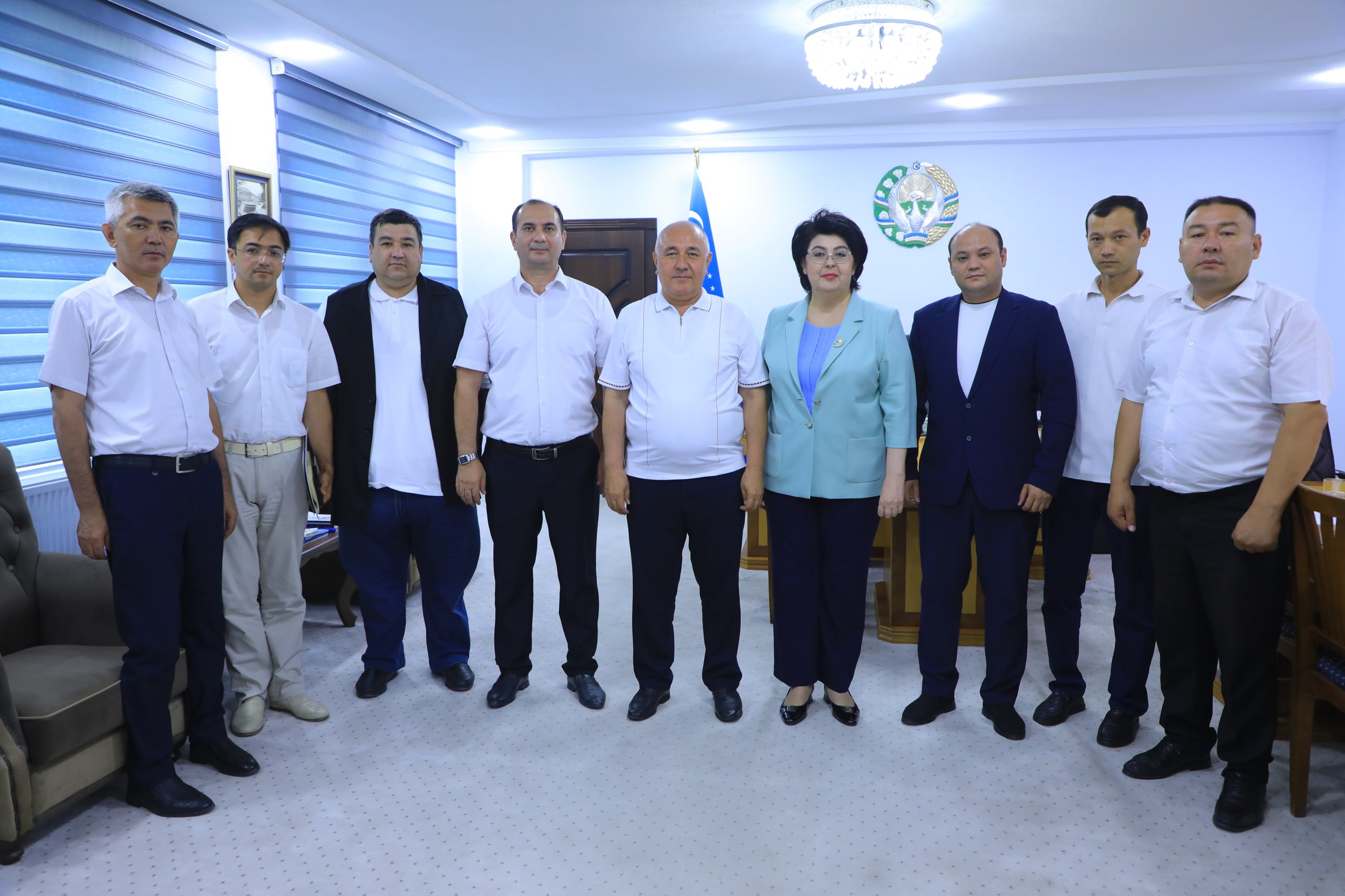
A meeting was held at Jizzakh Polytechnic Institute with the participation of Professor Naibakhon Mamadaliyeva, Adviser to the Director of the Uzbekistan Technical Regulation Agency on Spiritual and Educational Affairs, the State Language, and Scientific Research.
The meeting was attended by Timur Yusupov, Head of the Department for Coordination of Regional Branches of the National Metrology Institute of Uzbekistan; Professor Alisher Usmankulov, Rector of Jizzakh Polytechnic Institute; Maqsudjon Ochilov, Vice-Rector for Academic Affairs; Jamshid Abdunazarov, Vice-Rector for Research and Innovation; Gʻulom Mannonqulov, Head of the Jizzakh Branch of the National Metrology Institute of Uzbekistan; Jamshid Xudoyberdiyev, Head of the State Institution for Scientific Testing and Quality; Farziddin Qahhorov, Head of the Jizzakh Regional Department of the Inspection for Supervision in the Field of Technical Regulation; Faxriddin Israilov, Head of the Department of Metrology and Standardization, along with industry experts.
During the meeting, the participants discussed the introduction of modern approaches in the fields of metrology and standardization, the effective application of innovative solutions, the development of scientific research activities, and the strengthening of integration between education and industry.
The guests were also introduced to the Institute’s laboratory facilities, their scientific and practical capacities, and the opportunities available for providing metrological services. The discussions also focused on increasing young people's interest in scientific research, developing their intellectual potential, training highly qualified specialists, and advancing sector-specific terminology.
Professor Naibakhon Mamadaliyeva presented her proposals and recommendations on further improving standardization, metrology, conformity assessment, and laboratory activities, emphasizing the importance of expanding scientific and practical cooperation in these areas.
At the conclusion of the meeting, the parties identified priority areas for further cooperation, including the implementation of joint research projects, broader involvement of young scientists and specialists in the field, and the practical application of modern innovative developments.
Jizzakh Polytechnic Institute
institute
Jizzakh city, 130100
Islom Karimov shox ko’chasi 4 uy
 Phone: +998 72 226-46-05
Hotline: +998 72 226-45-57
 Email: dgpi_info@edu.uz