


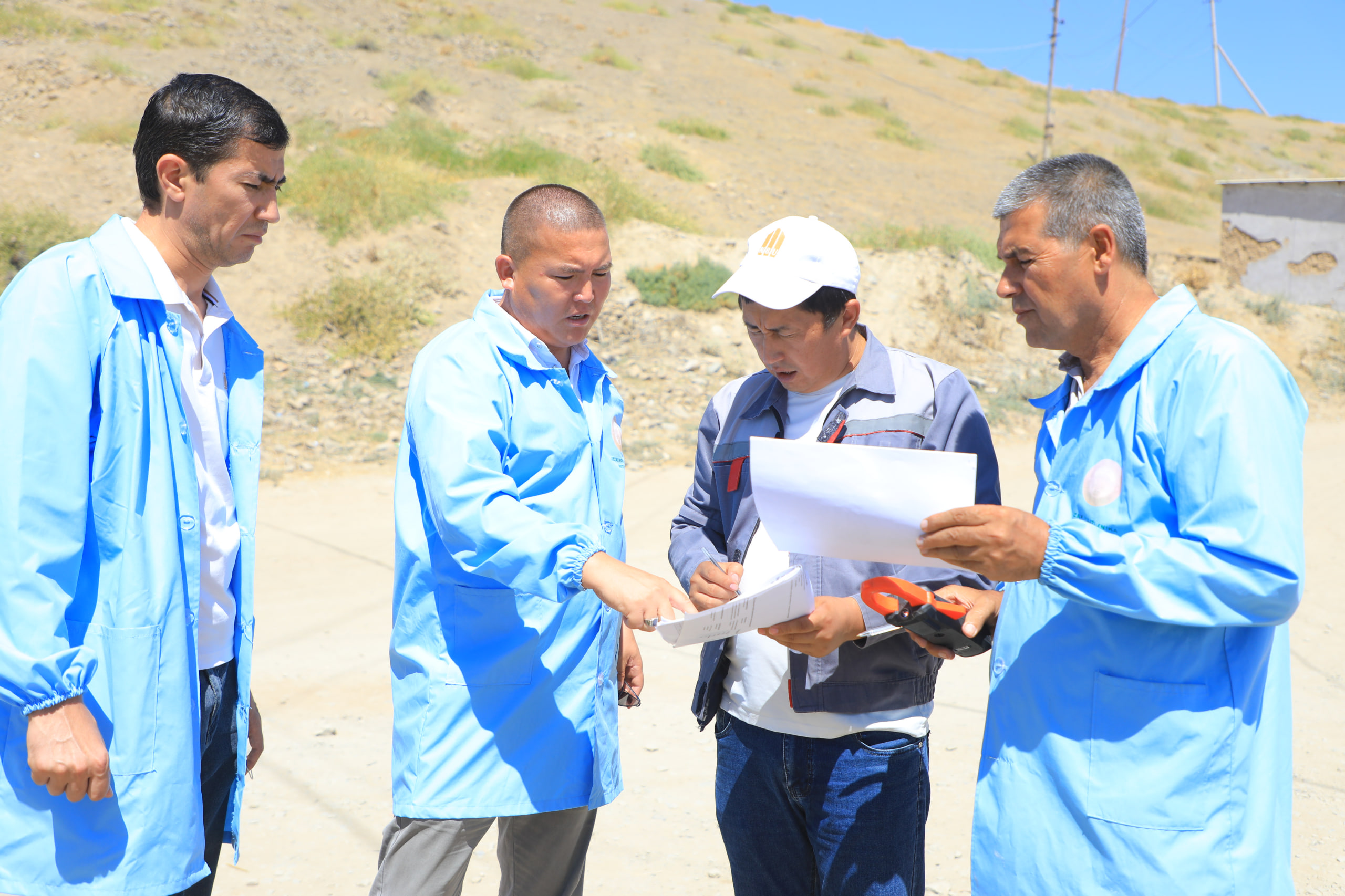
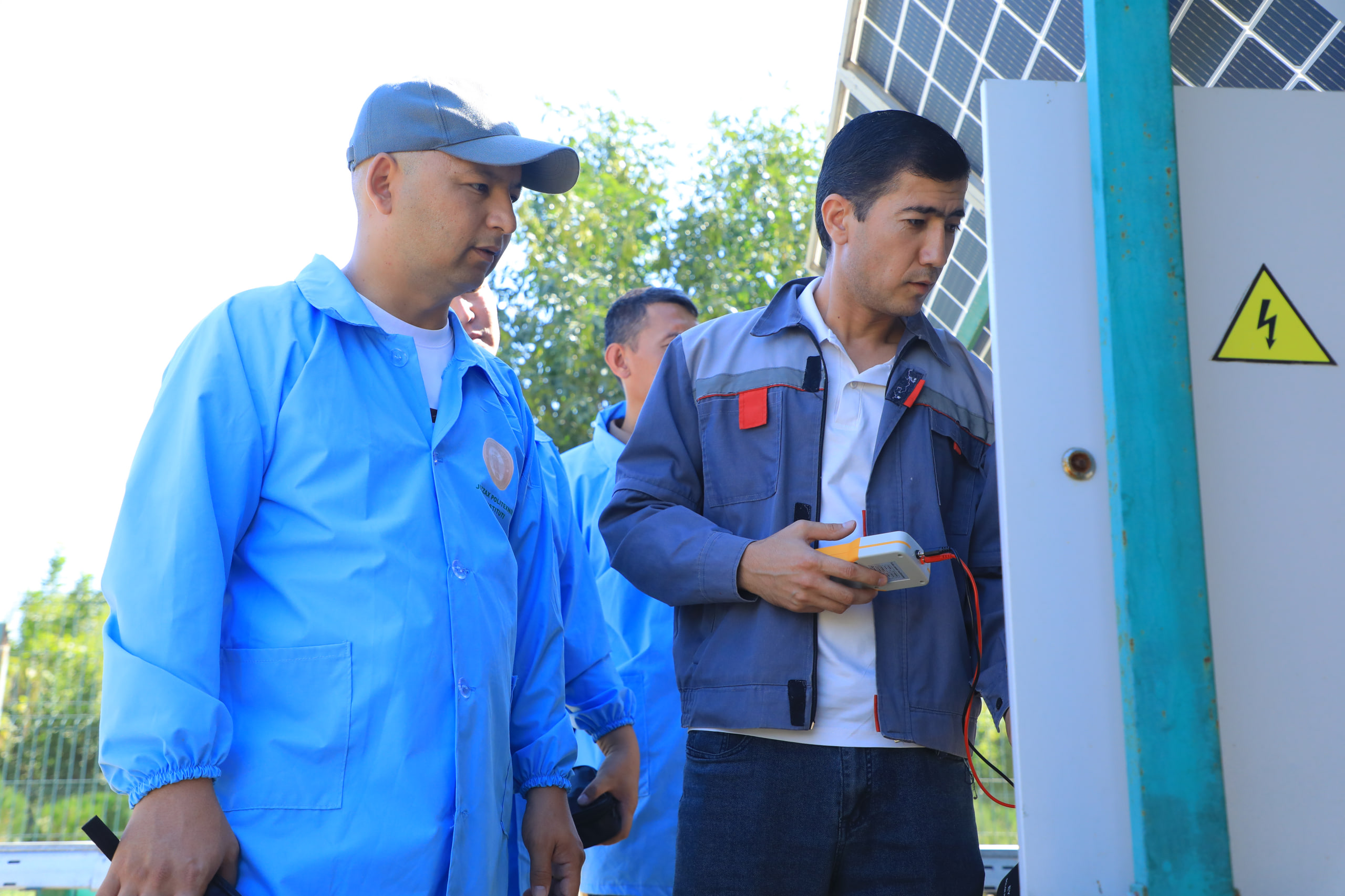
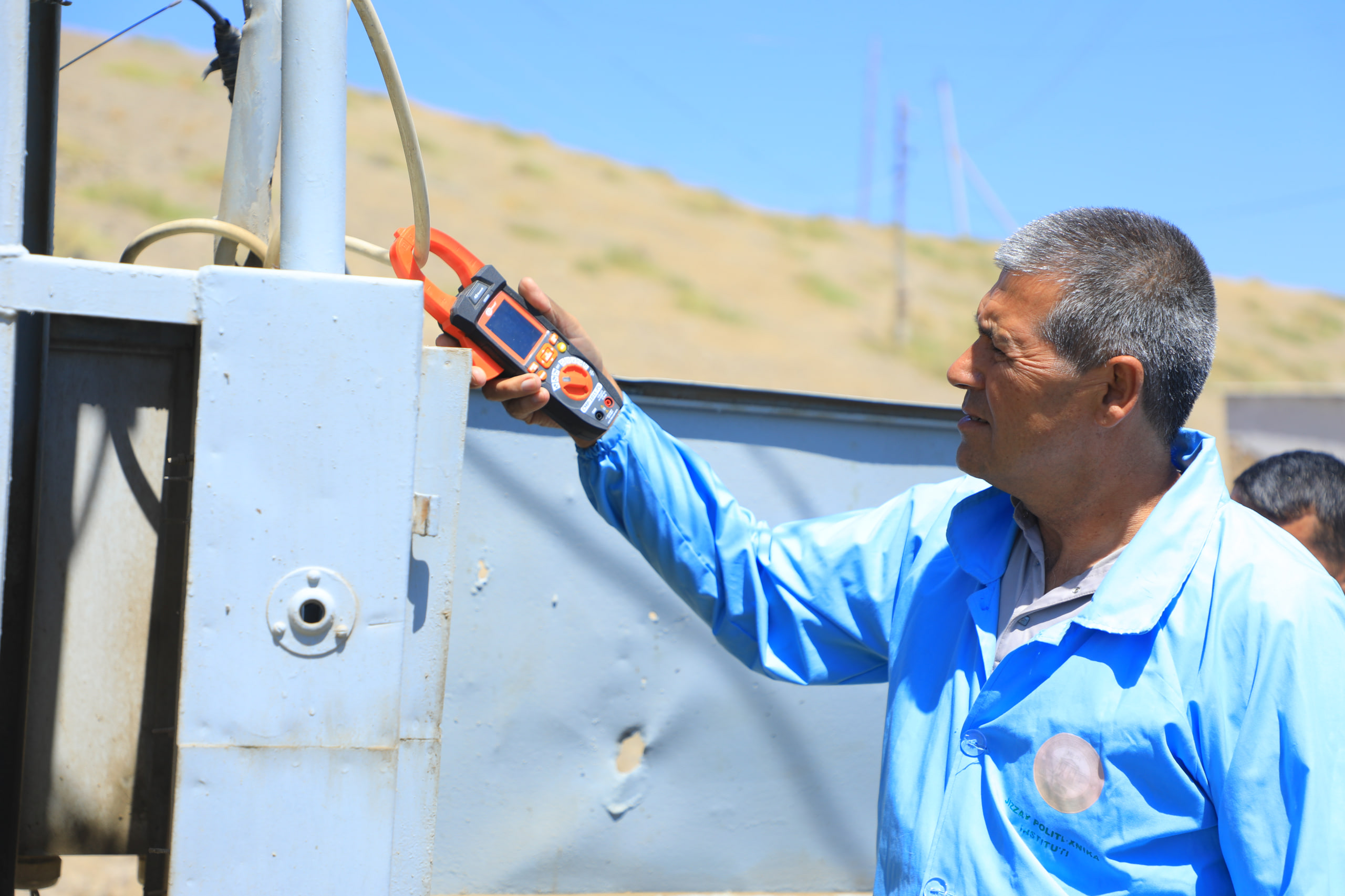
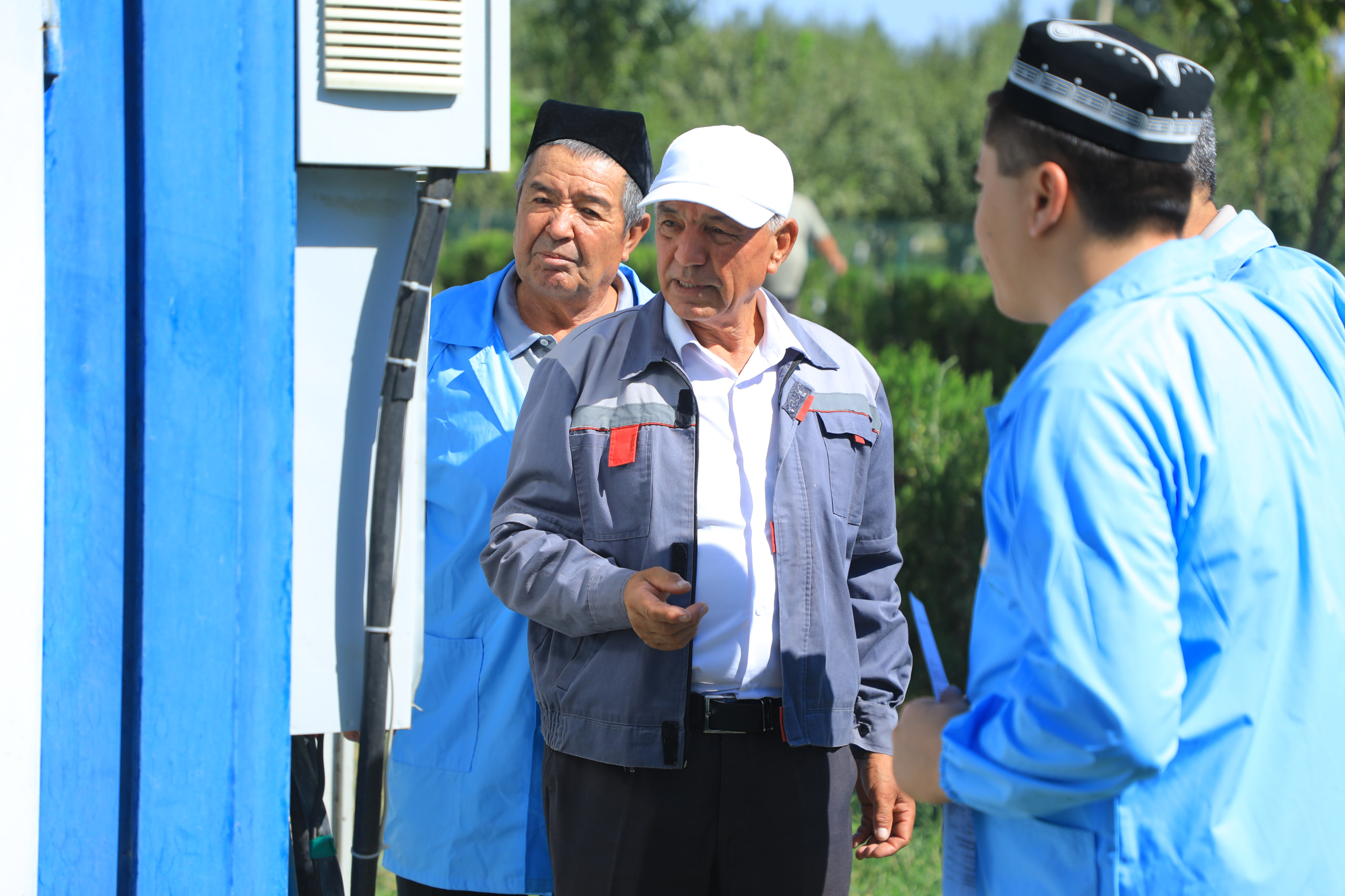
Faculty members and students of Jizzakh Polytechnic Institute, in cooperation with specialists from the Jizzakh Regional Branch of “Hududiy Elektr Tarmoqlari” JSC, are consistently conducting scientific and practical research aimed at improving energy efficiency, conserving energy resources, and ensuring their rational and efficient use across the region.
In particular, current efforts are focused on studying existing issues at the “Beshqishloq” feeder operated by the Sharof Rashidov District Electricity Supply Enterprise. Faculty members of the Institute are examining the identified problems and developing practical proposals and recommendations for their effective resolution. In addition, energy audits are being conducted by the Institute’s faculty members and students at a number of enterprises and organizations across the region.
These activities represent an integral part of the Institute’s systematic efforts to integrate education with industrial practice, prepare students for practical professional activities, and train highly qualified specialists equipped with modern knowledge and skills required by the energy sector.
To further strengthen the integration of education and industry, Jizzakh Polytechnic Institute regularly improves curricula and academic programs in the field of energy engineering in cooperation with industry enterprises, taking into account the current and future requirements of the labor market.
Furthermore, a mechanism has been established for organizing practical training directly at industrial enterprises within the framework of the dual education system. To date, cooperation agreements have been signed with more than 50 enterprises and organizations, while 40 branch departments of the Institute are operating at industrial enterprises.
During the 2025/2026 academic year, a total of 1,575 students were involved in dual education programs. Of these, 841 fourth-year students representing 28 fields of study and 734 third-year students representing 26 fields of study participated in dual education. In addition, 265 master’s students completed their studies at industrial enterprises in accordance with approved training schedules.
Beginning with the 2026/2027 academic year, this system is expected to be further expanded. Under the new arrangement, 50 percent of third-year students and 100 percent of fourth-year students across all fields of study at the Institute are expected to receive education under the dual education model.
These measures will enable students to combine their theoretical knowledge with real-world industrial experience, develop practical skills in working with modern technologies, and provide enterprises with well-prepared specialists possessing the practical knowledge and skills required in the workplace.
Particular attention is being paid to training highly qualified engineers in promising areas such as renewable energy sources, energy efficiency, digital management of power grids, solar energy, and wind power.
Overall, these ongoing initiatives are contributing to taking cooperation between higher education, science, and industry to a new level, strengthening the quality of education through practical experience, and preparing modern, highly qualified, and competitive professionals for the energy sector.
Jizzakh Polytechnic Institute
institute
Jizzakh city, 130100
Islom Karimov shox ko’chasi 4 uy
 Phone: +998 72 226-46-05
Hotline: +998 72 226-45-57
 Email: dgpi_info@edu.uz